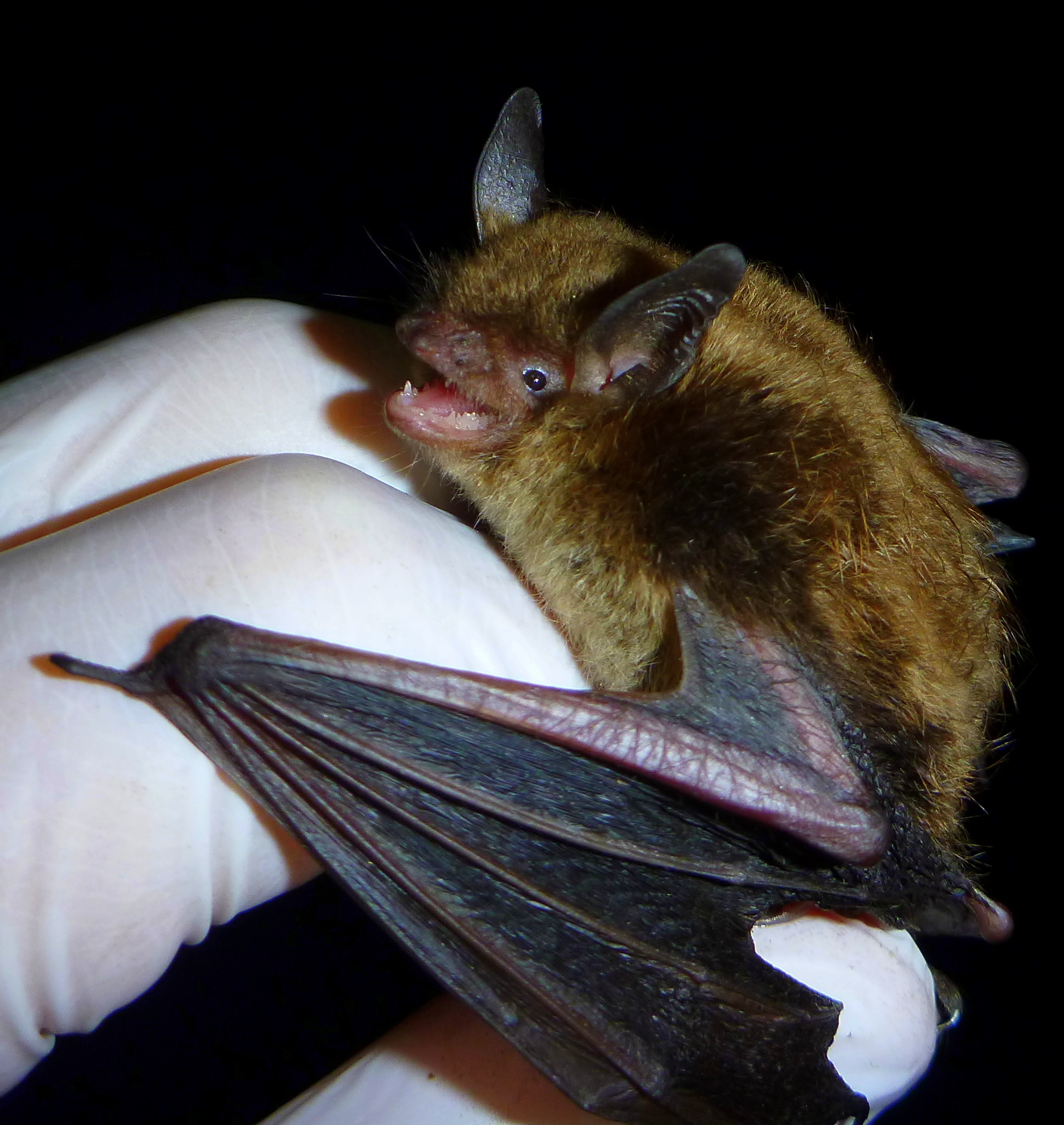
Two bats have tested positive for rabies in DuPage County this year, and 82 residents, including those in Wheaton, Warrenville, and West Chicago, have already been advised to seek preventive treatment after possible exposure to bats and other animals, the DuPage County Health Department announced Wednesday, July 29.
Bat activity peaks during summer. Of 48 bats submitted for testing countywide in 2026, two came back positive.
Bats are the primary source of rabies in Illinois, and an infected bat can appear healthy, according to the health department's advisory. Without preventive treatment, rabies is almost always fatal. The virus attacks the brain and nervous system, and treatment must begin immediately after potential exposure.
A bat in your home may count as exposure
Finding a bat inside a residence qualifies as a possible rabies exposure even without a visible bite. The department said this is especially true if someone was asleep, if children were present without adult supervision, or if the bat was near a person unable to communicate clearly.
If a bat gets inside, residents should not kill or release it. Instead, place a bucket or container over the bat, close the door to the room, and call animal control and public health before taking further action. If the bat tests negative, no treatment is needed.
Rehabilitating bats in Illinois is illegal.
Who to call
All possible human rabies exposures in DuPage County must be reported to the health department at (630) 221-7553 during business hours or (630) 682-7400 after hours. Animal bites should be reported to DuPage County Animal Services at (630) 407-2800.
Protecting pets and homes
The health department advised residents to keep pets current on rabies vaccinations, take any pet bitten by a wild animal or exposed to a bat to a veterinarian immediately, and seal openings in homes where bats could enter.
Raccoons and skunks can also carry rabies, though bats remain the leading source in Illinois.
The last human rabies case in Illinois was reported in 2021, the first in the state since 1954, according to the Illinois Department of Public Health.