More than 130 West Chicago Community High School students enrolled in Introduction to Healthcare for the 2026-27 school year, up from 54 when the course launched two years ago.
The growth, first reported by the school's student newspaper, the Wildcat Chronicle, came as the District 94 school expanded the class from a single semester to a yearlong course that now carries college credit. Two new courses, Medical Terminology and Athletic Training, joined the lineup, creating a four-course healthcare sequence alongside Human Anatomy and Physiology.
Science Division Head Scott Albright started exploring the program in 2021. A course proposal won approval in 2023, and Introduction to Healthcare ran for the first time in 2024-25 with 54 students. Enrollment climbed to roughly 86 in 2025-26 before topping 130 in fall 2026.
"The first year we started with 54 students. The next year we were up to somewhere around 86 or so, and at the start of this year we were just over 130," Albright told the Wildcat Chronicle. He called the trajectory "a sign of a healthy course."
Teacher Peter Vishneski, who leads Introduction to Healthcare, Anatomy and Medical Terminology, said the elective format draws motivated upperclassmen. Students are not required to complete all four courses. The expanded sequence lets them sample healthcare careers and build skills before graduation.
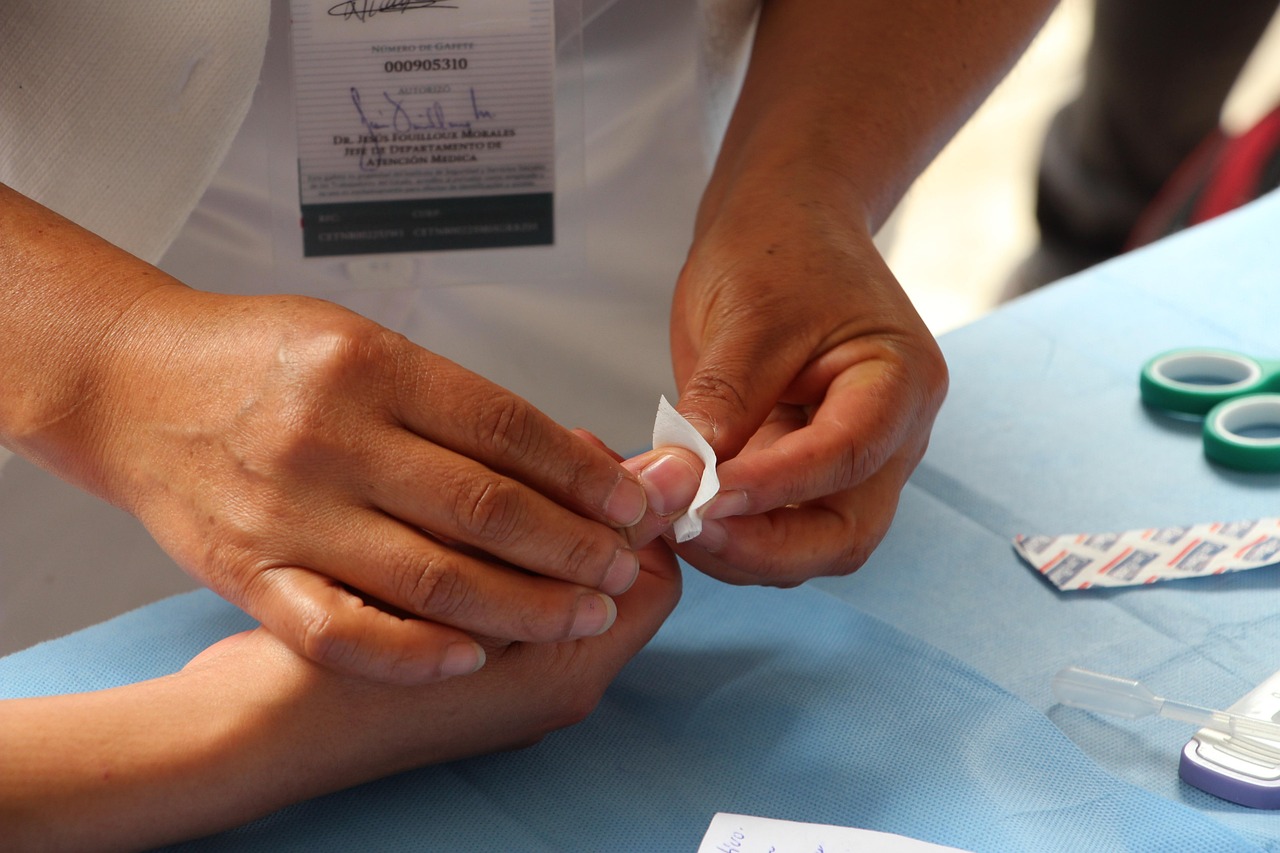
The course pairs career research with hands-on clinical training. Students learn to take vital signs, measure blood pressure and practice simulated IV placement using equipment from SimRated, a clinical-skills training company partnered with HOSA-Future Health Professionals (a national health science student organization).
The training follows a structured cycle. Students study a procedure, pass a written assessment and watch a healthcare professional demonstrate the skill. They then practice it themselves, record their attempt and submit it for evaluation by a clinician who provides feedback. Students who demonstrate mastery can earn a digital skill badge.
The course also asks students to research healthcare professions, examining educational requirements, salaries and daily responsibilities. Senior Arthur Njinkeng completed Introduction to Healthcare and is now enrolled in Medical Terminology. He said the career-research component deepened his interest in pediatrics, a field he plans to study after graduation.
Albright said the school will eventually track graduates into college programs and healthcare jobs to measure the pathway's long-term effect. The first cohort took the course only two years ago, so those outcomes are not yet available.