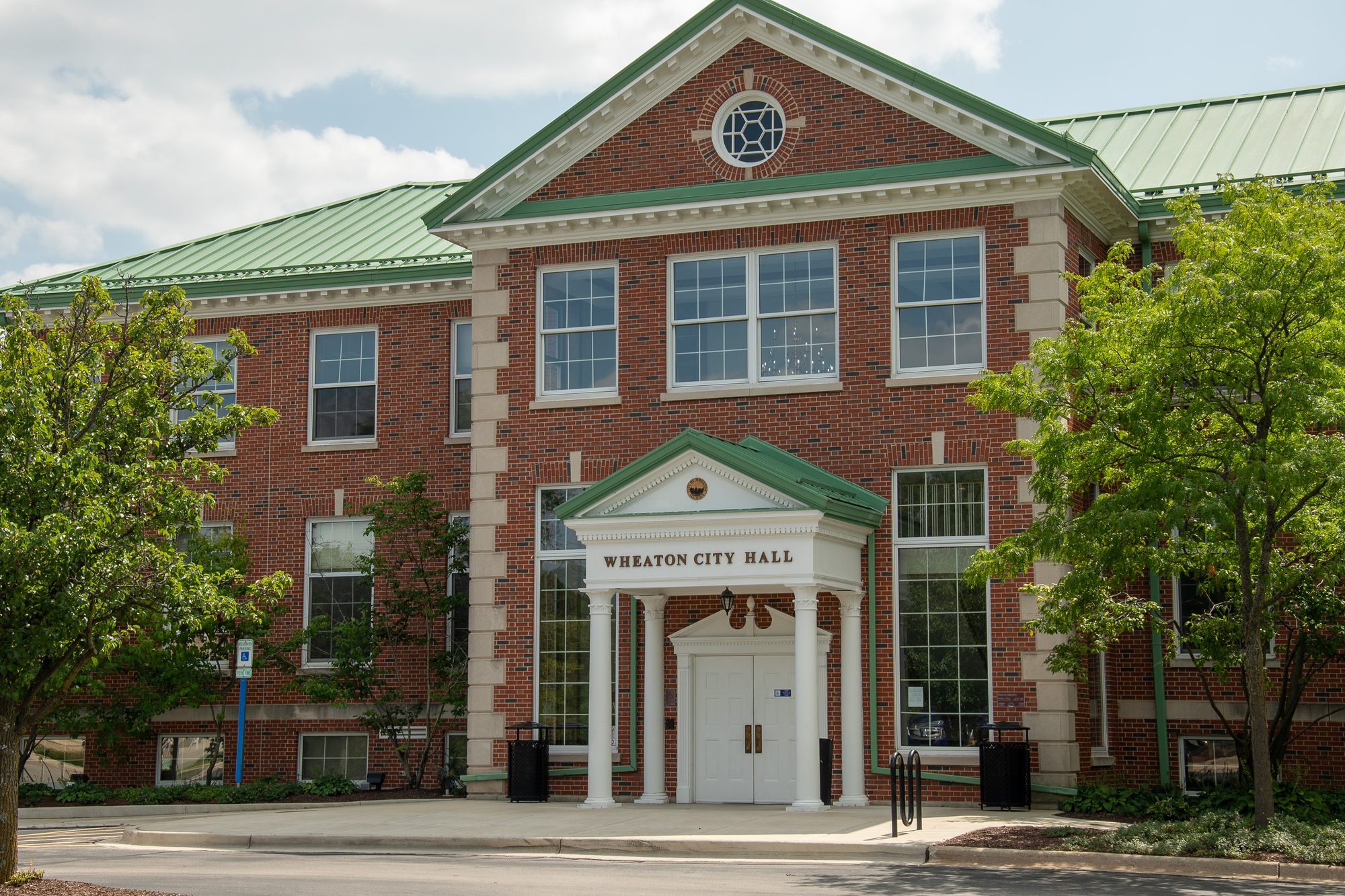
Wheaton will fog city streets for mosquitoes Thursday night, Sept. 3, after DuPage County confirmed its first human West Nile virus case of the year.
Clarke Mosquito Control, the city's contractor, plans to begin spraying around dusk and finish by approximately 2 a.m. Friday, according to Patch, citing the city's website. The company will use a truck-mounted fogging machine on city streets. Residents with questions can call Clarke at 1-800-942-2555.
The fogging follows the DuPage County Health Department's Sept. 1 announcement that an adult county resident had tested positive for West Nile virus, as we reported Sept. 2. The department raised its Personal Protection Index (PPI) to level 2, indicating high numbers of infected mosquitoes across most areas and at least one confirmed human case.
The PPI runs on a 0-to-3 scale. Level 2 means the risk is elevated but not at its highest, according to NCTV17.
Illinois Department of Public Health Director Dr. Sameer Vohra said Sept. 1 that the virus "can lead to severe illness in high-risk groups such as older adults, individuals with chronic medical conditions, and immunocompromised persons." Most people who contract it will not get sick.
About one in five develop flu-like symptoms including fever, headache and body aches, according to NCTV17, citing the CDC. Less than 1% of cases involve severe symptoms affecting the central nervous system, which can lead to permanent neurological damage or death.
No vaccine or treatment exists for West Nile virus in people, according to the DuPage County Health Department. The department urges residents to follow what it calls the "3Rs of defense": reduce mosquito breeding sites by removing standing water, repel mosquitoes with an EPA-registered insect repellent, and report areas where water sits for more than a week.
Statewide, Illinois reported 150 confirmed human West Nile cases in 2025, more than double the 69 cases in 2024, according to Patch, citing the Cook County Department of Public Health.
The health department's PPI is updated by 3 p.m. every Wednesday during West Nile season. The next update is expected Wednesday, Sept. 9.